Clarity — Trust your judgment. Own your direction.
See what matters, decide with conviction, and know where your leadership makes the greatest difference. Move forward without continually reopening decisions in your head.

For founders and executives whose success keeps asking more of them.
Build a business that doesn’t need you in every decision.
You built this by being the person everyone could count on. Now the final call, the work you handed off, and the quality check keep finding their way back to you. You handle it. The business gets through today. Tomorrow, the weight of the business still needs you.
The 30-Day Leadership Reset helps you change that pattern on the real demands in front of you, so your standards hold and your team can carry more.
No call required. 30 days, $497 one-time, including 10 Minute Leaders and access to The Standard’s live group calls. No ongoing commitment.
Not sure what to change first?
Take the Leadership Stability IndexIn five minutes, get a private result showing your main pattern, what it may be costing, and one move to try this week. We’ll email you a link so you can revisit it.

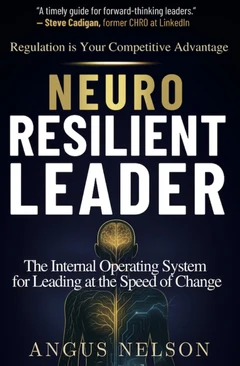 Author ofNeuro Resilient Leader
Praise for Neuro Resilient Leader

“Essential reading for leaders navigating complexity.”Steve Cadigan, Former CHRO, LinkedIn

“This book will help you stop tweaking and start upgrading.”Michael Bungay Stanier, Author of The Coaching Habit

“The science of resilience made practical, humane, and usable.”Ann Handley, WSJ best-selling author & CCO, MarketingProfs
13+ years working with founders and executives · 1,000+ leaders across speaking, facilitation, and advisory















“When I met Angus I was ready to burn my business down. Year one we did just over a million. Year three, $4.8 million.” Nik Borrelli, Founder, SimpleFlow
Recognition
People trust you. The results give them reason to.
What they don’t see is the work that comes back after you thought it was handed off. The decision that’s still open in a tab. The quiet check-in at 11 p.m. to make sure nothing slipped.
You trust the people around you. Still, you check one more detail before you can leave it alone. By the time you get home, you’ve left the office, but your attention is still there.

“My business was financially okay. I wasn't.” Jonathan Christian, Founder, WeMakeStuffHappen.com
Take the free 5-minute Leadership Stability Index. Discover the leadership pattern keeping too much on your shoulders and one practical change you can make this week.
Take the Leadership Stability IndexThe inflection point
Being willing to take responsibility helped you get here. You could be counted on when the answer wasn’t obvious and the work wasn’t easy.
Over time, carrying more can become the way you respond to almost any new demand. Taking something back feels quicker than helping someone work through it. The time you intended to spend thinking gets absorbed by whatever needs you next.
Eventually the way you built your success starts to constrain what comes next.
For Ned Arick, VP of Operations at Acquisition.com, that pattern had taken him to approximately 100 hours of work a week by Q4.
In our work together he identified the belief underneath it: “You have to work harder to make money.”
He began shortening meetings, protecting meeting-free days, and setting boundaries around interruptions and evening communication. His ambition remained. The question he articulated was:

“How do I make the most impact in the most compact amount of time?”
Start here
Need to change how you’re operating? Start with the 30-Day Reset.
For founders and executives who know too much still depends on them. Use the 30 days to change one recurring leadership pattern and see what helps that change hold. You follow the sequence in the app, with 10 Minute Leaders included for daily practice, and sit in on The Standard’s live group calls while you work.
Want ongoing perspective from relevant peers? Explore The Standard.
For funded founders and senior executives
A place where you can stop being the person who has to have every answer. A room of peers, led by Angus, working through what is actually in front of you.
$297/month. Apply directly, or begin with the Reset.
Explore The StandardThe 30-Day Reset is a one-time $497 and includes access to The Standard’s group conversations during your 30 days. Nothing renews. Continuing in The Standard afterward is optional, at $297/month, billed separately. Full details
The future leader
A member of your team brings a recommendation. You help them think it through, agree on what matters, and leave the decision with them.
There’s room in your week to consider a bigger opportunity before it becomes an urgent one.
A difficult conversation needs your full attention. You can give it that attention without spending the rest of the evening replaying it.
You begin to see your value in what others can own because of your leadership.

“From a doer in my business to a decider, empowering my team.”

“I can manage it without sacrificing my family time.”
How the work happens
The responsibility you handed over and quietly took back. The conversation you keep putting off.
Together we look at what you do in those moments, what makes that response feel necessary, and what you could do differently.
This is Neuro Resilient Leadership, built around the C3 Protocol.
See what matters, decide with conviction, and know where your leadership makes the greatest difference. Move forward without continually reopening decisions in your head.
Build the internal room for bigger decisions, greater complexity, and the life you want beyond work. Grow your impact while keeping energy for the people and possibilities that matter.
Stay grounded when the stakes rise. Speak directly, hold your boundaries, and navigate difficult moments with the presence that earns trust—in the boardroom and at home.
We put that into practice between sessions and examine what changes in your decisions, conversations, and working relationships.
JG described the connection:
“Learning to step back and lead strategically instead of operationally changed how our entire company functions”
Client Stories
Nik B.
Solar Founder
His partner walked out mid-build and he was ready to torch the company. He rebuilt how he operated before he rebuilt the business, then hired only people he didn’t have to supervise.
$1M year one → $4.8M year three
Read the full story
Elizabeth B.
Corporate → Author
She carried one belief for years: nobody’s going to pay me to learn. She wrote Cake on Tuesday and built a show around it.
Left Innovation Director at Cisco to build her own consultancy
Read the full story
Esteban G.
Sales Leader → VP of Customer Growth
In the office by 5:30 every morning, inside a culture that rewarded suffering. He stopped inserting himself into every deal.
Now VP of Customer Growth, Stackline
Read the full story
Ned A.
Executive → VP Ops
The only person holding all the data through a merger, flying between Florida and Utah, with no autonomy left in his week. He rebuilt around standards instead of output.
Now VP of Operations, Acquisition.com
Read the full storyAbout Angus
I’m an executive advisor, speaker, and author. For more than 13 years I’ve worked with founders and executives whose responsibilities ask a great deal of them.
I’m interested in the part they don’t put in the update to the board. What they’re still carrying. Where they keep getting pulled back in. What they want next and quietly wonder whether they have room for.
My role is to help them see what’s happening, challenge the assumptions that keep it in place, and work through the changes alongside them.
I live in Lisbon with my family. I care about using time to give the people at home my attention, too.
More About Angus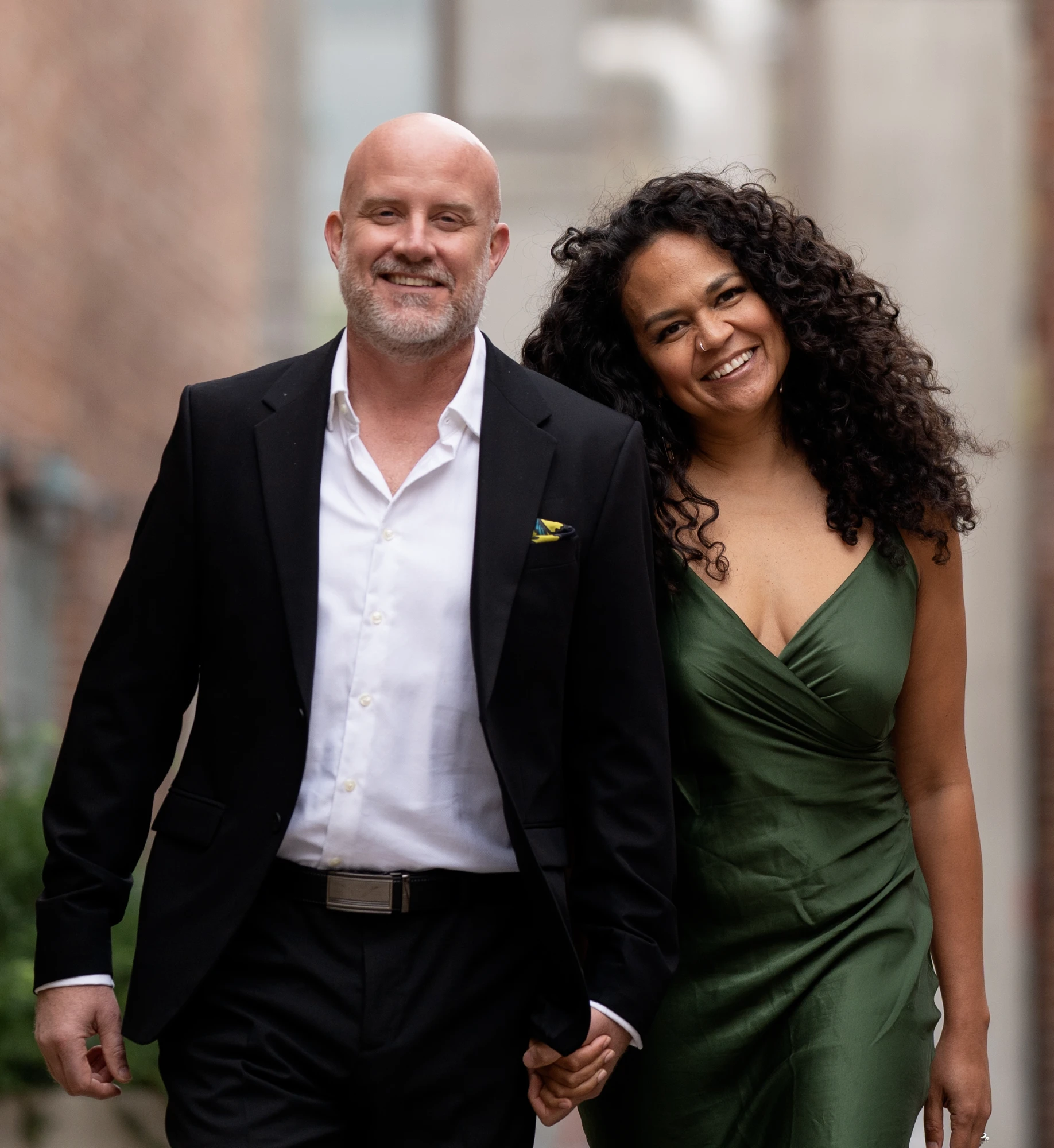
Questions
The Reset is a focused 30-day experience with a defined beginning and end. You follow a structured sequence in the app, with 10 Minute Leaders for daily practice, and you have access to The Standard’s group conversations while you do. The Standard is the optional, ongoing environment for leaders who want to keep that perspective and the relevant peers around them. It’s a separate membership at $297/month.
Yes. Your $497 covers the complete 30-Day Leadership Reset. There are no automatic renewals or recurring charges.
No. The Reset and The Standard are entry points, not prerequisites. If you already know you want direct, private work with Angus, go straight to Private Advisory.
Your Reset concludes after 30 days. If you’d like continued access to The Standard, you’ll have the opportunity to join separately for $297/month. There’s no obligation to continue.
About 5 minutes. It’s a short set of questions designed to show you where too much still depends on you, not a lengthy assessment.
The work can include coaching, but coaching isn’t the product. The Reset is a structured intervention focused on changing how you make decisions, carry responsibility, and lead under pressure. We work with what’s happening in your business while it’s happening.
A place to begin
Find the patterns behind the decisions you keep revisiting and the work you take back. Start with the 30-Day Reset, or take the free Leadership Stability Index first to see where to focus.
Already know you want help with what comes next? Work with Angus
Other ways to work together

“I have more time and freedom in my business than ever before.”

01
You know there’s more you want to build. You also know it can’t keep asking more of you.
In private advisory, we work through what your next stage requires of you and what you no longer need to carry.
Explore Private Advisory
02
Build a company that moves without every decision coming back to you.
You’ve hired leaders. Yet the hard calls, stalled conversations, and final approvals still find their way to your desk. I work with founders and leadership teams to build the judgment and ownership needed to carry the next stage of growth together.
The 90-Day Leadership Team Reset gives an executive team a way to see where leadership is getting stuck, retrain how it makes decisions, and embed stronger patterns so growth doesn’t create more dependency at the top.
Explore the 90-Day Team Reset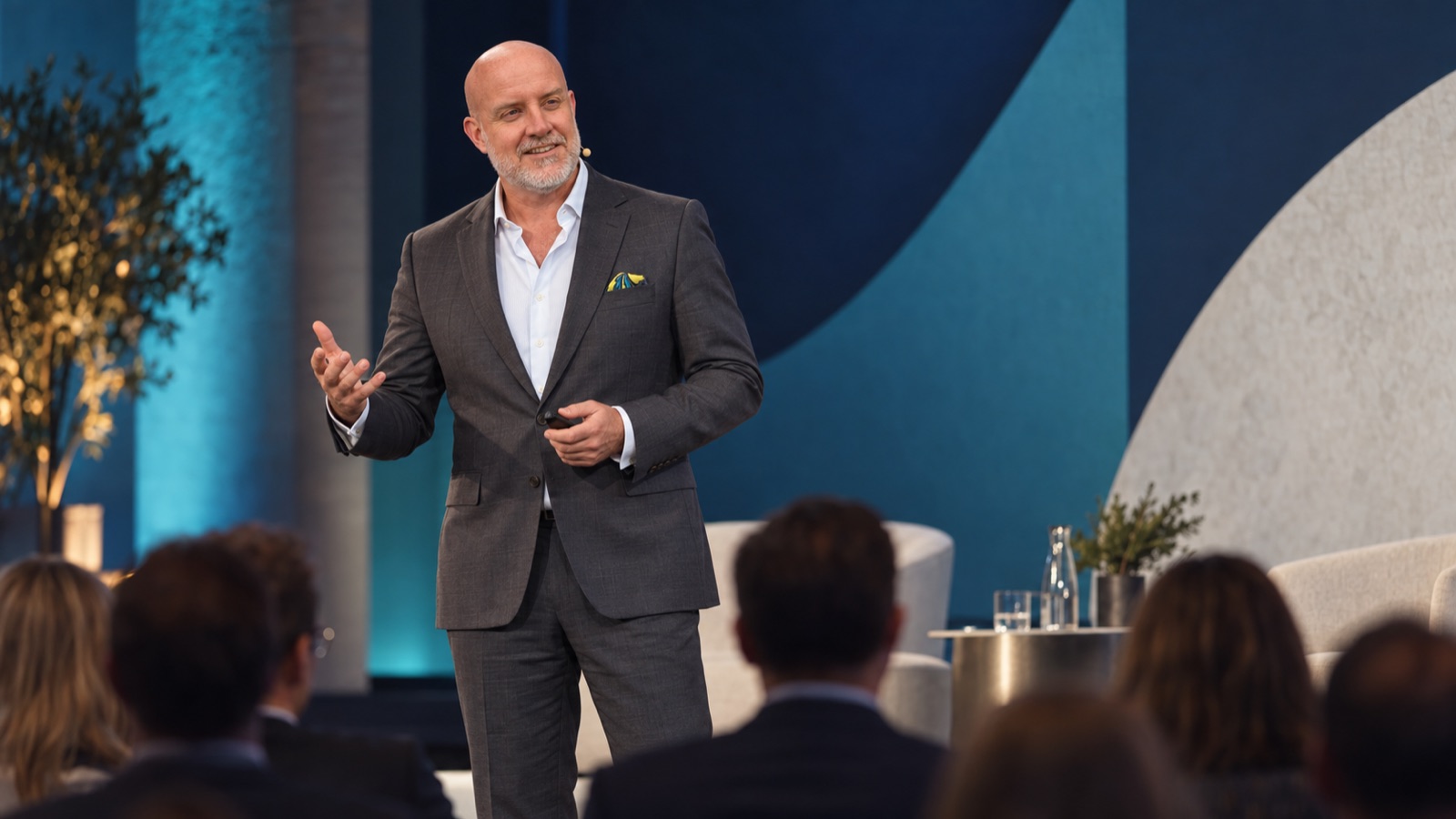
03
Your audience knows how to succeed. Give them a way to see where that success has started asking too much of them.
My keynotes help leaders recognize those patterns and see how they can lead differently without lowering their standards.
Invite Angus to SpeakRecent stages include Adobe, Walmart, Disney, and MGM Resorts.

The book
The Internal Operating System for Leading at the Speed of Change
A deeper look at how pressure shapes the way you think, decide, and lead, with practical ways to develop clarity, capacity, and composure.
The book explores the idea behind my work: Lead Beyond Your Nervous System. Develop more choice in how you respond when the stakes are too high and familiar habits take over.
Explore the Book
“Angus equips us to lead through rapid change.”

“Neuro Resilient Leader delivers a timely and important message for leaders navigating uncertainty and driving growth.”

“Stop fighting your own wiring and start working with it.”
“Angus Nelson shows leaders how to cut through the noise and find clarity when it matters most.”